





Acne Scar


What are the red flags?
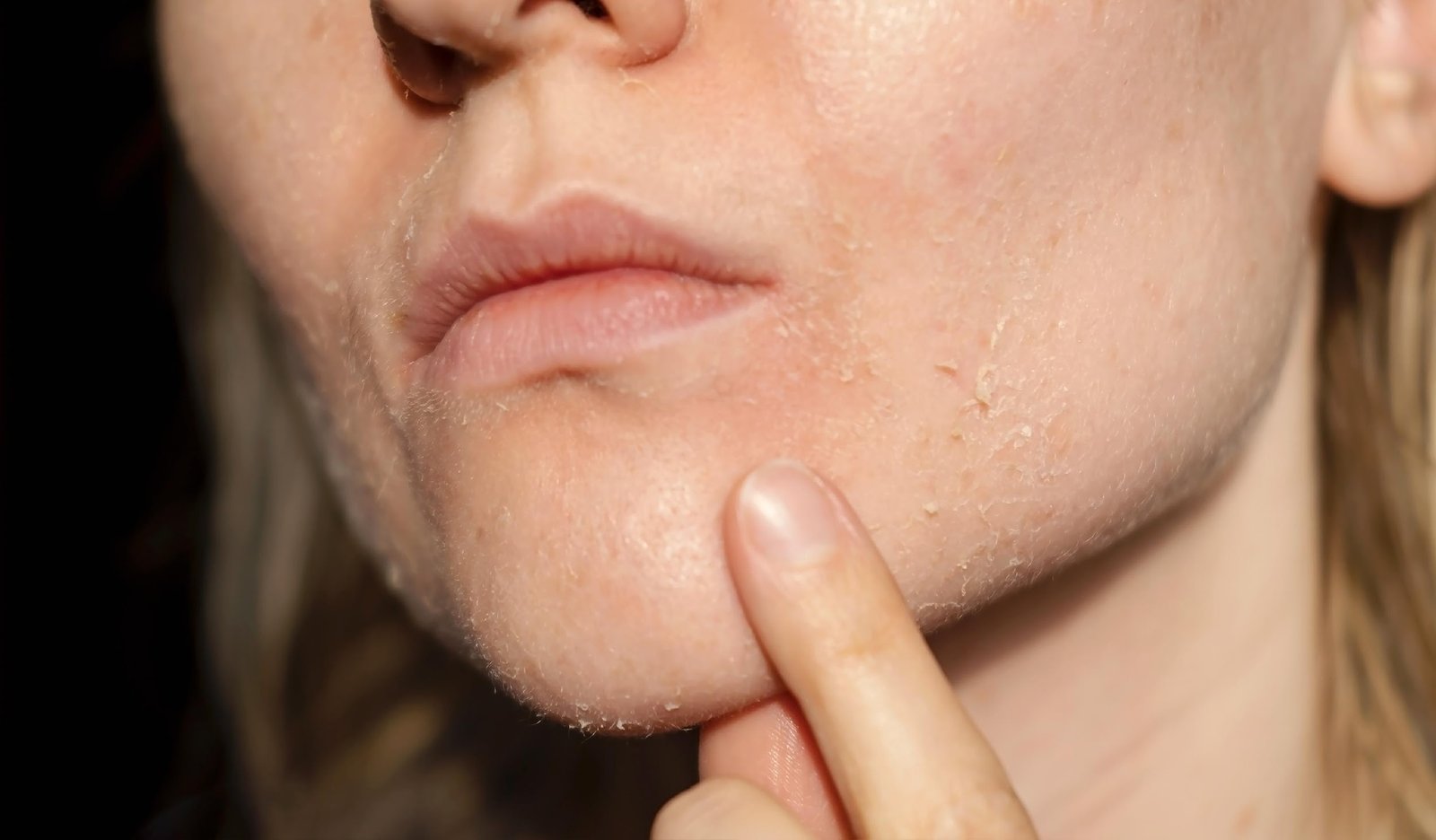
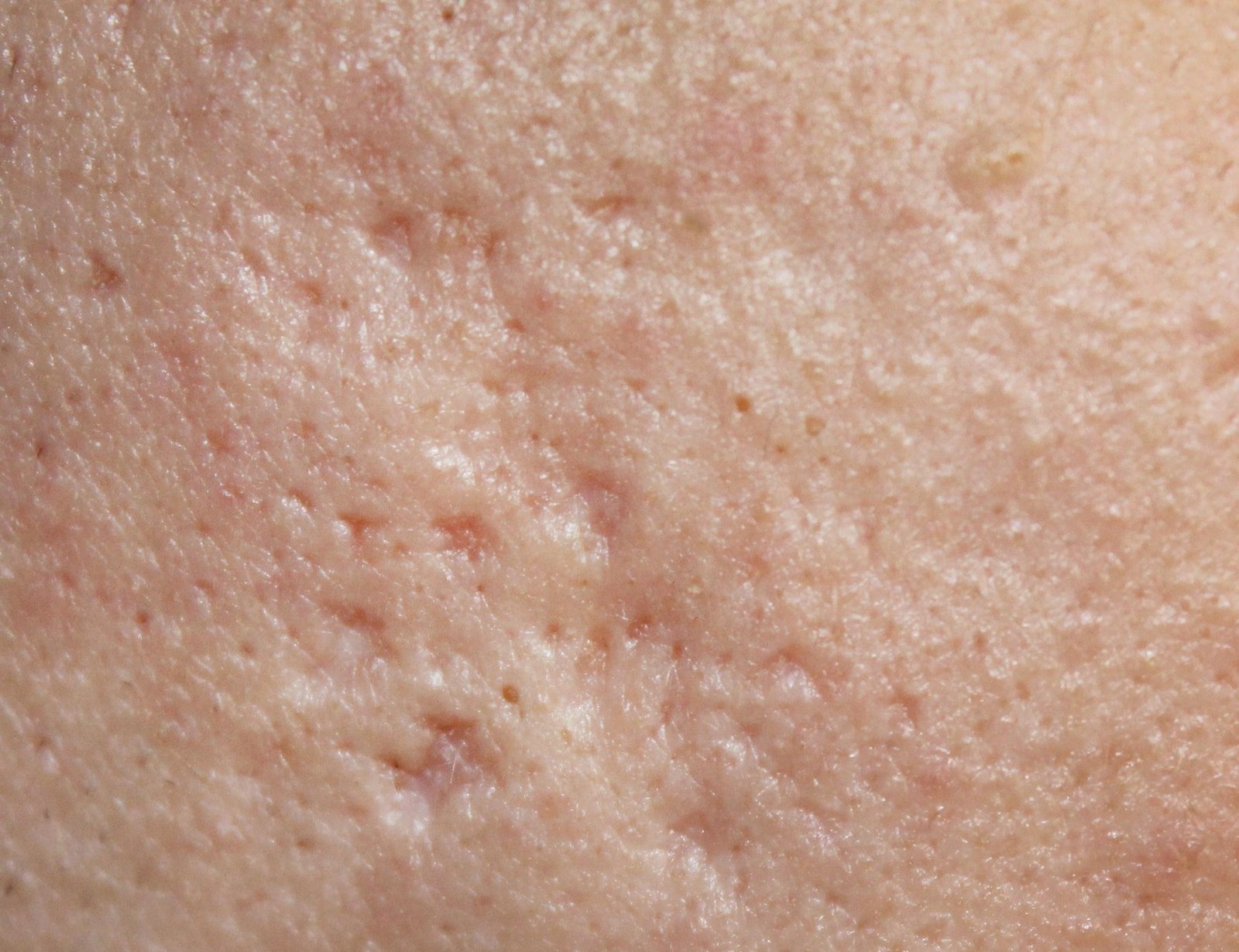
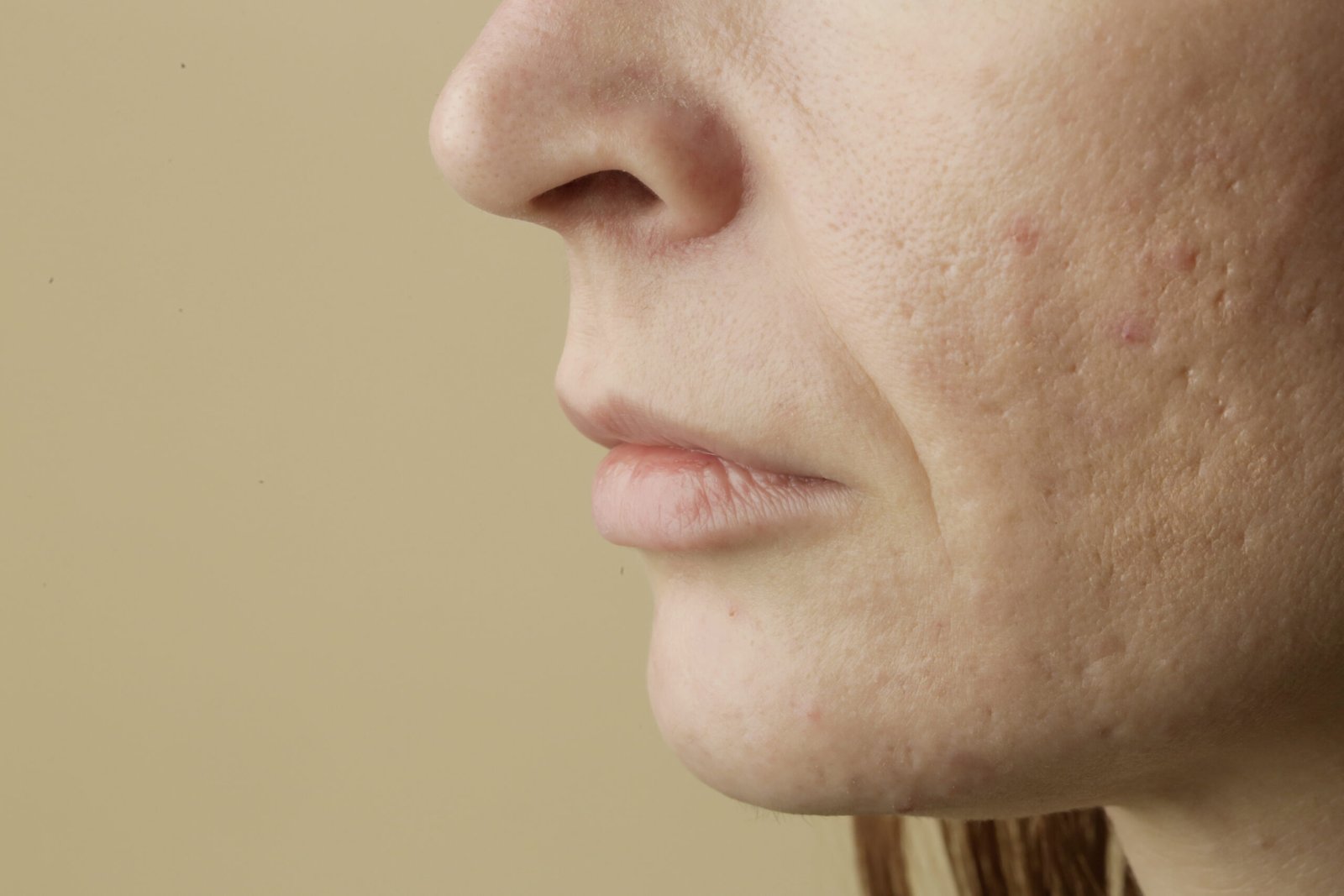
Acne scars are permanent textural changes and indentations or raised areas on the skin that remain after severe or long-term acne has healed. They occur when inflamed acne lesions (such as cysts, nodules, or pustules) damage the skin’s collagen and tissue, leading to improper healing.
Types of Acne Scars
1.Atrophic Scars (Indented Scars) – Most common, caused by loss of tissue.
- Ice Pick Scars – Deep, narrow, and pitted (like small holes).
- Boxcar Scars – Wider, U-shaped depressions with sharp edges.
- Rolling Scars – Broad, shallow, and wavy due to tethering under the skin.
2.Hypertrophic & Keloid Scars (Raised Scars) – Caused by excess collagen during healing, more common on the chest and back.
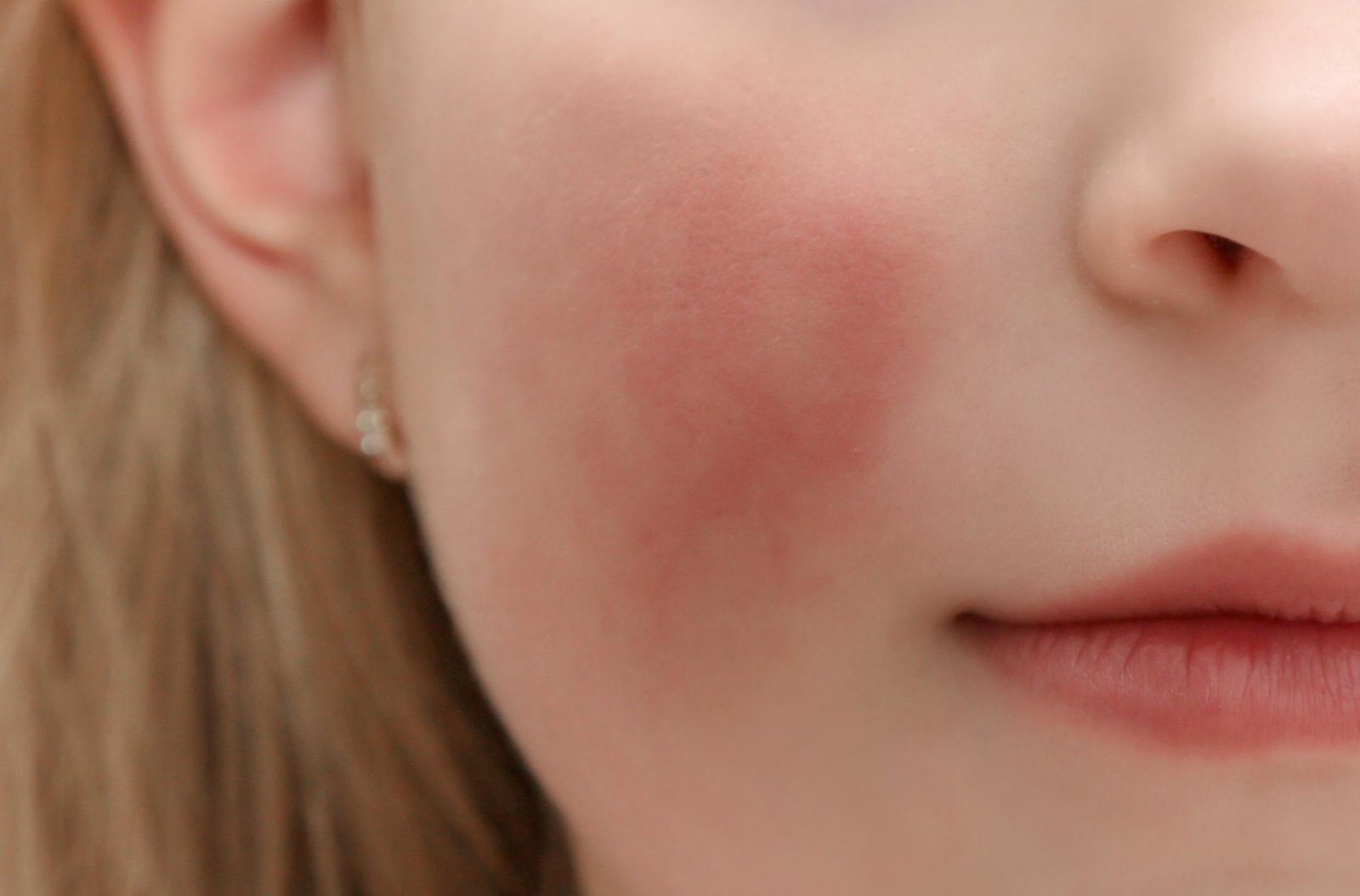
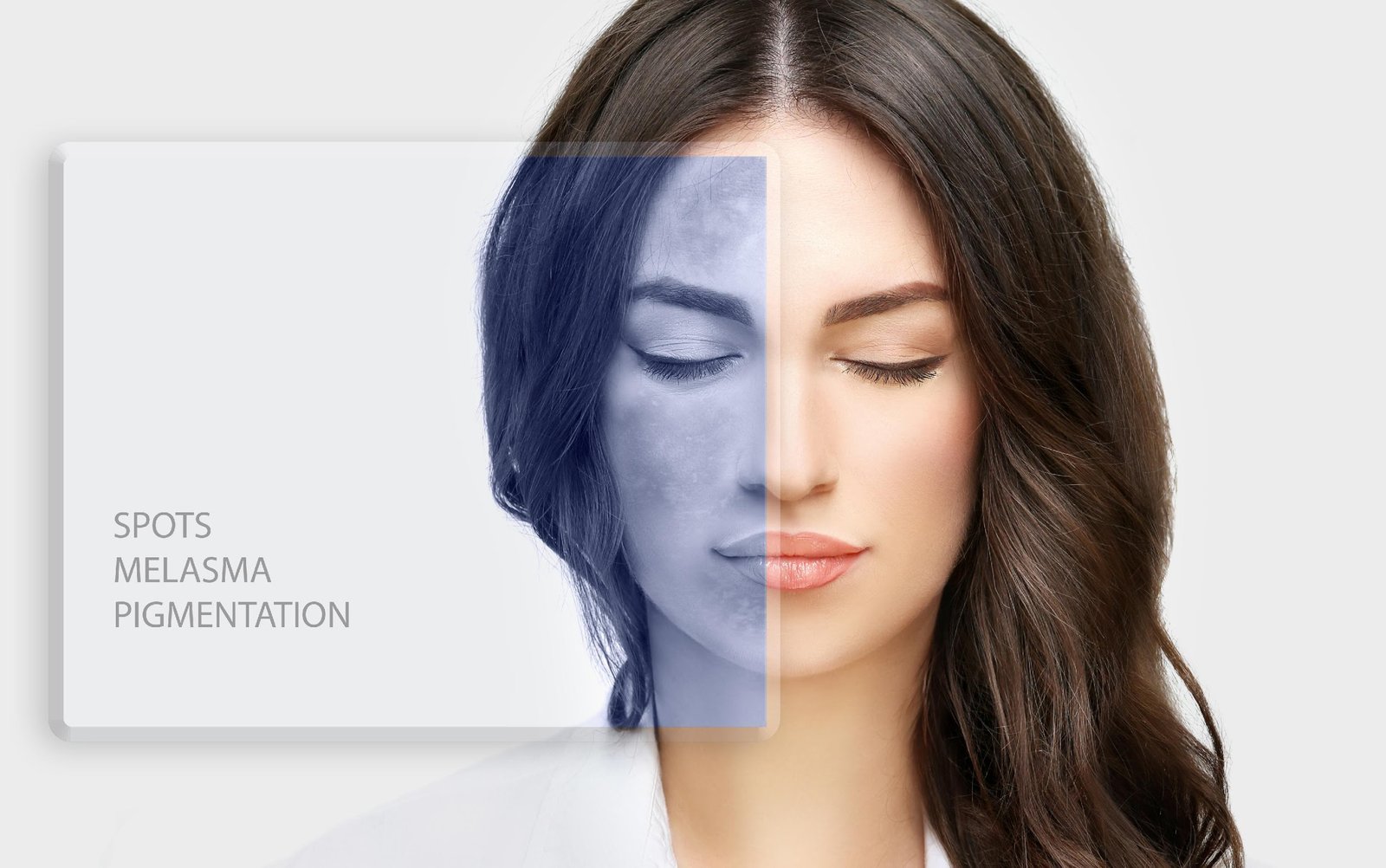
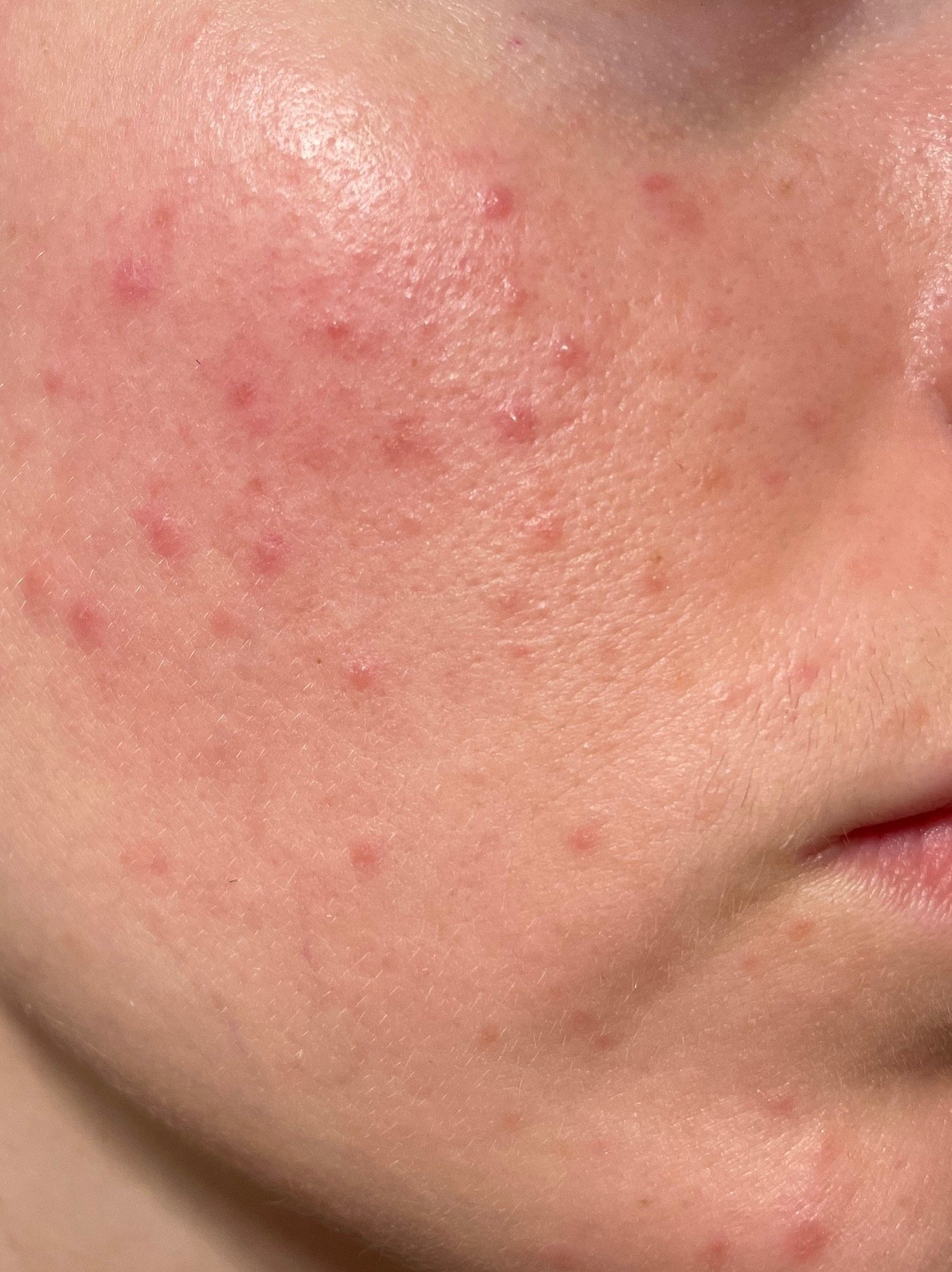
3.Post-Inflammatory Hyperpigmentation (PIH) – Dark or red marks left after acne (not true scars but can persist for months).
Causes
- Severe or cystic acne
- Picking, popping, or squeezing acne
- Delayed or improper treatment of inflamed acne
- Genetics (some skin types scar more easily)
Treatment Options
- Topical Treatments(for mild scarring & PIH): Retinoids, vitamin C, niacinamide, hydroquinone.
- Procedures:
- Laser Therapy(Fractional CO₂) – Stimulates collagen.
- Microneedling– Boosts skin repair.
- Chemical Peels– Improves texture and pigmentation.
- Dermal Fillers– Temporarily plumps indented scars.
- Subcision– Releases tethered scars.
- Excision– Surgical removal of deep scars.
Prevention
- Treat acne early to prevent severe breakouts.
- Avoid picking or popping pimples.
- Use sunscreen to prevent darkening of scars.