



the
Artistry
of
Technology
Experience
our
suite
of
Technology,
certified
to
Global
Regulatory
Standards
and
underlaid
by
a
foundation
of
Evidence-based
Research
Experience
our
suite
of
technology,
certified
to
global
regulatory
standards
and
underlaid
by
a
foundation
of
evidence-based
research
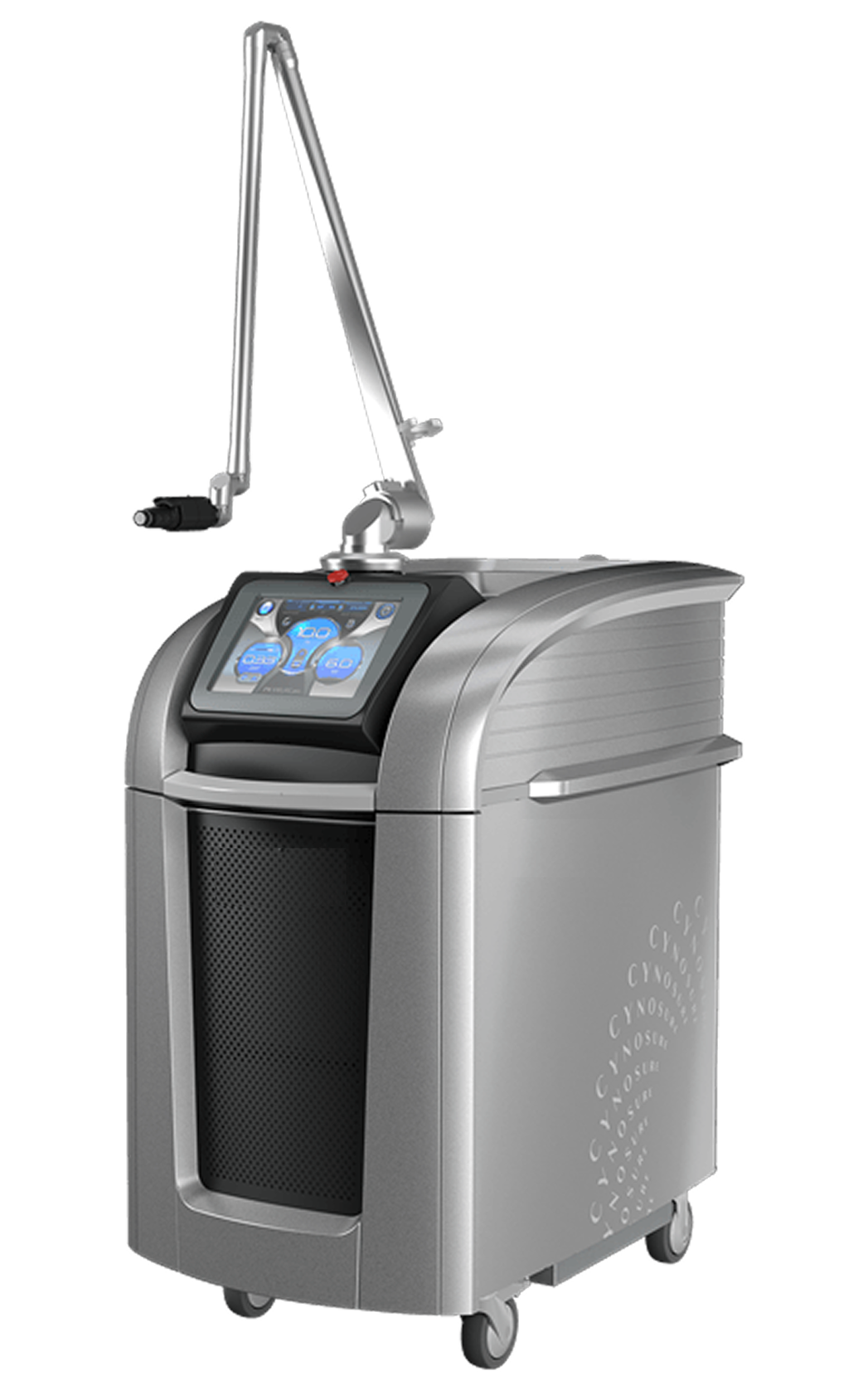
How Picosecond Laser removes pigmentation?
Ultra-Short Pulses
- Unlike traditional lasers (nanosecond lasers), Pico lasers emit energy in extremely short bursts, shattering pigment particles into tiny fragments.
- This reduces heat buildup, lowering the risk of burns or post-inflammatory hyperpigmentation (PIH).
- The rapid pulses create shockwaves that break apart melanin clusters.
- The body’s lymphatic system then naturally flushes out these fragmented pigment particles.
- The laser selectively targets melanin (dark pigment) without harming surrounding skin.
- Different wavelengths (e.g., 532nm, 755nm, 1064nm) can be adjusted based on pigment depth and skin type.
- Pico lasers also stimulate collagen production, improving skin texture and reducing uneven tone over time.
What types of pigment can be treated?
- Sunspots / Age spots (Solar Lentigines)
- Melasma (though results vary; maintenance may be needed)
- Freckles
- Post-Inflammatory Hyperpigmentation (PIH)
- Tattoo pigments (Pico is also used for tattoo removal)
What are the advantages of picosecond laser over traditional laser?
- Fewer sessions needed compared to Q-switched lasers
- Less downtime (minimal redness/swelling)
- Lower risk of side effects (like burns or PIH)
- Works on darker skin tones (when used correctly)
What are the possible side effects?
- Mild redness or swelling
- Slight darkening before fading (rare)
- Temporary dryness or peeling
How do I look after my skin after treatment?
- Avoid sun exposure & use SPF 50+
- Keep skin moisturized
- Skip harsh skincare (retinoids, acids) for a few days
How many sessions will I need?
- Light pigmentation: 1–3 sessions
- Deeper pigmentation (melasma): 3–6+ sessions (may require combination therapy)